Uncategorized

Small Closets: 5 secrets to make the most of your fashion central

Hey there, fashionistas and clutter-conquerors! So, you’ve got a closet that’s more of a “closet-astrophy” – tiny, cramped, and overflowing with clothes that seem to multiply like rabbits. Fear not, for I come bearing the sacred scrolls of small closet organization! Here are the top 5 tips to transform your tiny closet into a tidy oasis:

1. Purge Like There’s No Tomorrow

First things first, channel your inner Marie Kondo and declutter like it’s an Olympic sport. Bid farewell to those jeans you haven’t worn since the early 2000s and the shirts with questionable stains. Remember, less is more – especially in close quarters!

2. Maximize Vertical Space

When horizontal space is scarce, think vertical! Invest in some nifty closet organizers like hanging shelves or stackable bins. One of my favorite tools to have in the tool box are the ClosetMaid ShelfTrack system for functionality and flexibility. Utilize every inch of space from floor to ceiling.

3. Double Up with Dual-Purpose Items

Say hello to the multitasking marvels of the closet world! Look for storage solutions that pull double duty, like hooks that can hold both bags and belts. Efficiency never looked so chic!

4. Embrace the Power of Folding

While I’m a hang it up girl, in small spaces, folding it can be your best bet. Embrace the art of folding, especially for bulky items like hoodies. Once folded, contain in a bin to keep the category tidy. Pro tip: KonMari’s folding technique is a game-changer – Watch it, thank me later.

5. Organize Like a Pro

Last but not least, create zones within your closet for different categories of clothing. Designate specific areas for tops, bottoms, dresses, and accessories. Bonus points for color-coding – it’s like your own mini rainbow right in your closet! Once something has a home, it’s easier to put it back.

There you have it, folks – the ultimate cheat sheet for conquering closet chaos, one hanger at a time. Now go forth and transform that tiny space into a stylish sanctuary!

Ready to create a space you’re excited to spend time in? Need guidance on how to make the most of your space? Let’s talk!

Uncategorized

Summer To-Go Bin

Note: this post contains affiliate links.

Our family is on the move in the summer! From tee ball to fair activities to visiting friends and family or the local splash pad – there is no shortage of running from here to there. I finally got tired of hunting down swim suits, sunscreen, etc. when we were rushing out the door. Or worse yet, realizing I forgot something when we arrived.

Enter: The Summer To-Go Bin!

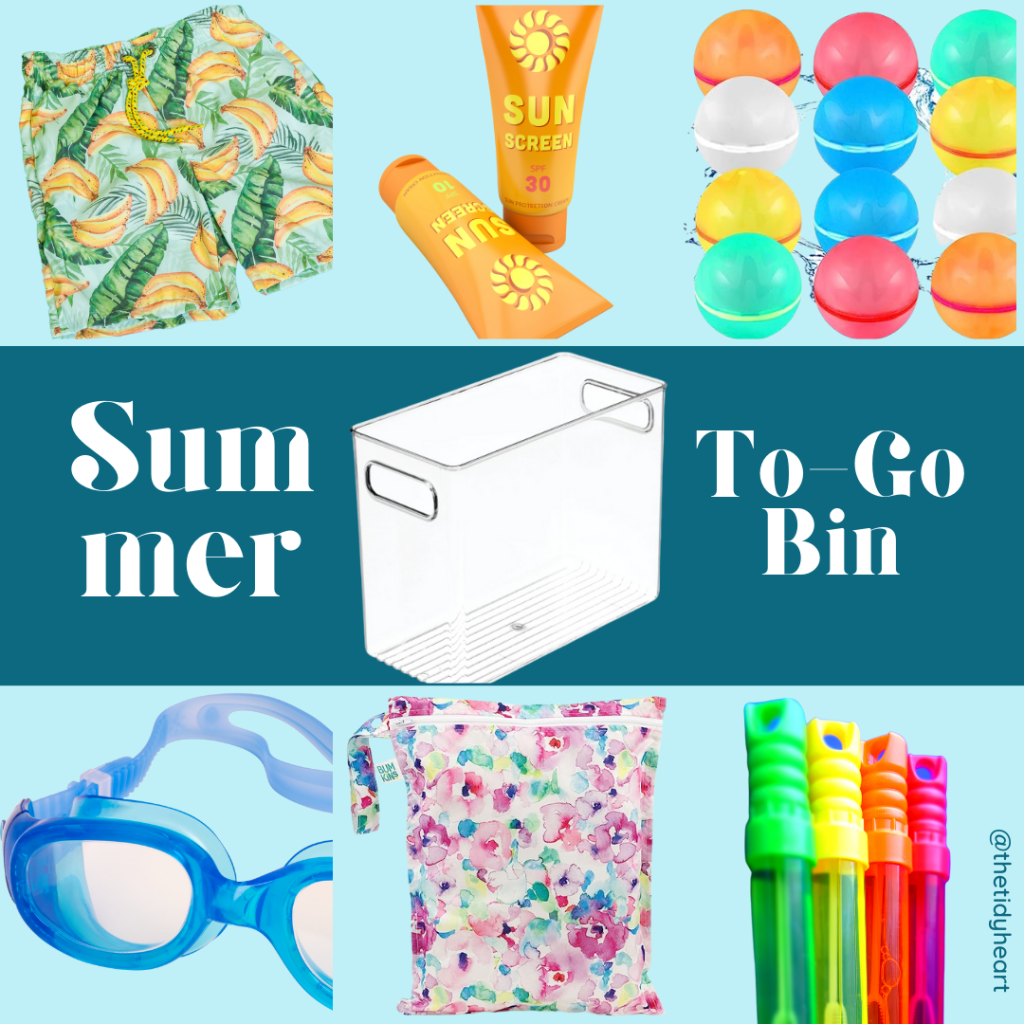
What’s in a summer to-go bin?

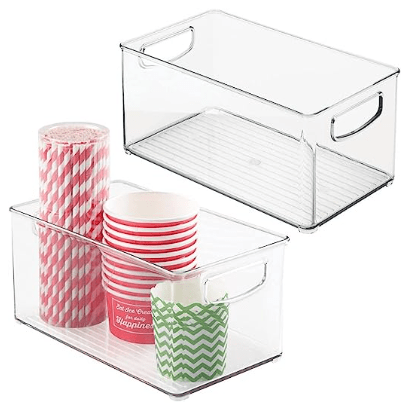
Choose your favorite bin with handles for easy to-and-from the car. I love mDesign.

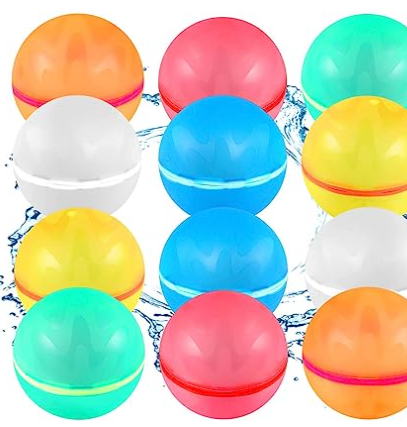
Add swim/water essentials like goggles, swim suits, sunscreen and my newest favorite item – reusable waterballoons!

Don’t forget the aftermath and the downtime while drying. Bubble wands are a life saver and you can re-fill them. And I always carry a wet-dry bag to throw the wet swim suits in, too.


Shop for Your Summer To-Go Bin

A bin you can repurpose after summer is my favorite. I love the durability and handles of these mDesign clear bins.

Grab your set here.

These reusable water balloons have provided hours of fun and entertainment for our family this summer.

Shop reusable water balloons.

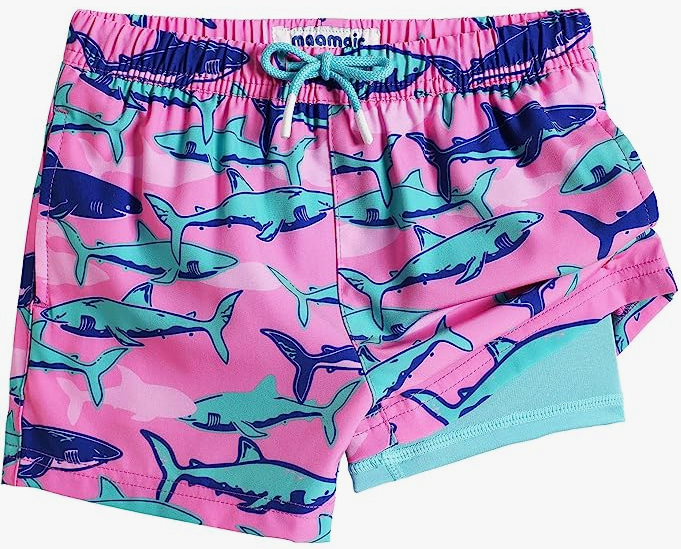
Men and boys will rejoice – no mesh to get tangled up in. These compression swim trunks are comfortable and perfect for summer.

Shop all the styles.

Save yourself from a soggy bag. This wet/dry bag is perfect for holding onto soaking wet swimsuits after a morning at the splash pad.

Shop wet/dry bags.

Bubbles make everything better. These are perfect for on-the-go fun. And I love that I can re-fill and keep the fun going!

Grab your set.

Uncategorized

3 podcasts to hone your tidy habits

I love a good podcast. As a busy mom, farmer, marketer and business owner I need easy ways to learn and podcasts and audio books check the boxes for me.

Here are 3 podcasts to help you elevate your tidy and organization game:


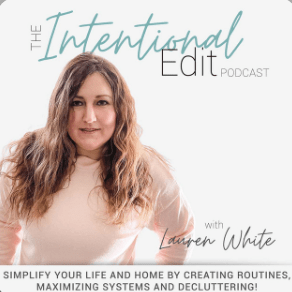
The Intentional Edit Podcast with Lauren White

I love this podcast because it’s a quick hit – most episodes are 20 min or less!

Check out “One Rule that Makes Decluttering Easier” episode


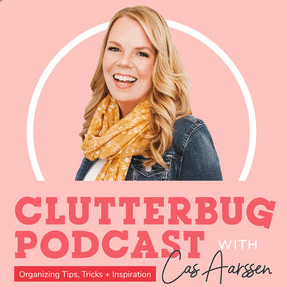
The Clutterbug Podcast with Cas Aarssen

I am obsessed with Cas! As a personality typing nerd, I love her approach to organization types – I’m a ladybug. She’s smart, open, and hosts amazing guests, like in the episode below:

Check out “Home Organization Tips with Kathryn from Do It on a Dime”


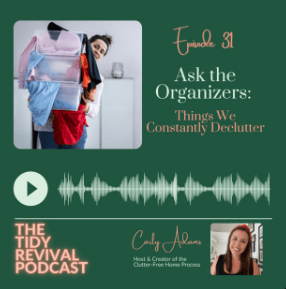
The Tidy Revival Podcast with Carly Adams

This podcast is NOT for little ears – but that’s why I love it. It’s real, raw and unfiltered. If you’re not a fan of cursing, keep ‘er moving.

Check out “As the organizers: Things we constantly declutter”

What are your favorite podcasts to listen to – organizing focused or not? Leave a comment!

Uncategorized

Function over Pinterest-worthy when it comes to an organized home

While having a visually appealing and well-organized space can be helpful, it’s not always necessary to invest a lot of time and money into achieving it. Here are some tips on how to solve your organization pain points without breaking the bank or stressing over aesthetics:

Start with a plan: Before diving into any organizing project, take some time to assess your needs and create a plan. This will help you prioritize your tasks and avoid feeling overwhelmed. Make a list of what you want to organize, what you want to keep, and what you can donate or discard.

Use what you already have: Look around your home or office for items that can be repurposed or reused for organization. For example, you can use empty cardboard boxes or baskets to store items on shelves or in cabinets. Shoe organizers can also be repurposed for organizing toiletries, cleaning supplies, or craft materials.

Utilize free or low-cost resources: There are many free or low-cost resources available online that can help you with organization. For example, there are numerous apps and websites that can help you create lists and schedules. You can also find many printable checklists and labels that can be downloaded and printed for free.

Focus on functionality: Remember that the goal of organization is to make your life easier and more efficient. Don’t stress too much about having everything look perfect. Instead, focus on creating a system that works for you and your lifestyle.

Take small steps: Don’t try to tackle everything at once. Break your organizing tasks down into smaller, manageable steps. For example, you might start by organizing one drawer or one shelf at a time. This will help you stay motivated and avoid feeling overwhelmed.

Remember, the most important thing is to find an organization system that works for you and helps you feel more in control of your space and your life. It doesn’t have to be perfect or Pinterest-worthy to be effective.

Uncategorized

What does ‘functional’ organizing mean?

What’s that saying – “Function over fashion”? Well, that’s my embodiment of organization style.

When working with clients, I focus on how our solutions and recommendations align with their goals, vision and habits. Pinterest-worthy is a nice to have in my book. But what does “functional organizing” mean?

Functional organizing means creating an organizational system that is tailored to your specific needs and lifestyle, and that makes it easier for you to find what you need and use your space effectively. This approach to organizing focuses on creating systems that are efficient and easy to maintain over time, rather than on achieving a specific aesthetic or visual appeal.

In a functional organizing system, items are organized based on how they are used and where they are needed, rather than just based on their category or appearance. For example, if you have a home office, a functional organizing system might involve creating specific zones for different types of work or activities, such as a desk area for computer work, a filing area for paperwork, and a reading area for research materials.

Functional organizing also involves creating systems that are easy to use and maintain over time. This might involve using simple labels or color-coding systems to help you quickly identify where items belong, or creating routines or schedules to help you keep your space organized and clutter-free. It can also mean taking your habits and daily life into consideration.

An example in my own home was my mail center. I originally had it by our front door and found myself frustrated as mail piled up day after day. After reflecting on my habits and my husband’s, we tended to come in through the garage door – not the front door. I adjusted by moving our command center to the mudroom and added a sorting function so we removed piles.

Overall, success is created when you build a system into your daily life, not conflicting with it. Functional organizing is about creating an organizational system that works for you and your specific needs, and that helps you feel more in control of your space and your life. It may not be Pinterest-worthy, but it is designed to be practical and efficient, and to make your life easier in the long run and that’s what matters.

If you’re nodding your head, we could make some magic together!


“Overall, success is created when you build a system into your daily life, not conflicting with it.”